 До -75%* участникам Pigu PLUS С КОДОМ >>
  Мазценис! До -40%* для участников 220.lv PLUS! >>

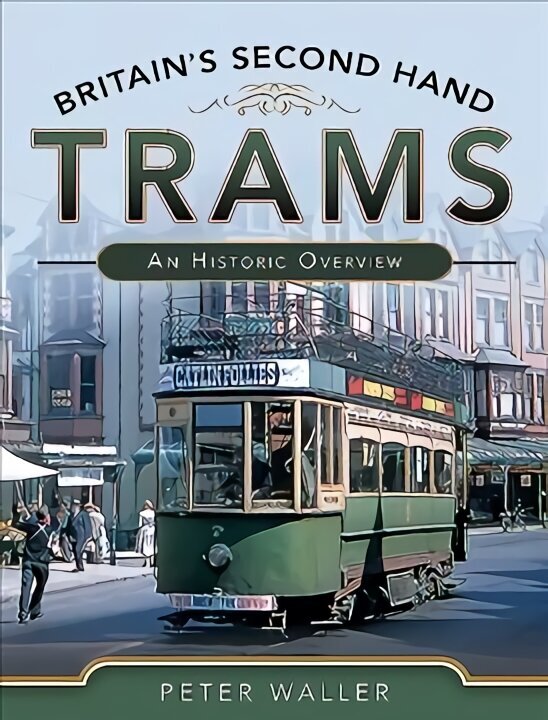

Britain's Second Hand Trams: An Historic Overview
Спецификации:
| Автор: | Peter Waller |
| Количество страниц: | 184 |
| Год публикации: | 2021 |
| ID товара: | 19437382 |
Больше информации
Описание товара: Britain's Second Hand Trams: An Historic Overview
During the history of Britain's electric tramcar fleets, many thousands were manufactured of which the vast majority saw out their operational life with a single owner. However, for several hundred there was to be a second - if not, in certain cases, a third - career with a new operator. Almost from the dawn of the electric era in the late 19th century tramcars were loaned or bought and sold between operators. The reasons for this were multifarious. Sometimes the aspirations of the original owners for traffic proved wildly optimistic and the fleet was downsized to reflect better the actual passenger levels. War was a further cause as operators sought to strengthen their fleets to cater for unexpectedly high level of demand or to replace trams destroyed by enemy action. For other operators, modernisation represented an opportunity to sell older cars whilst, certainly from the 1930s, a number of operators - such as Aberdeen, Leeds and Sunderland - took advantage of the demise of tramways elsewhere to supplement their fleet with trams that were being withdrawn but which still had many years of useful operational life in them. The process was to continue right through to the mid-1950s when Glasgow took advantage of the demise of the once-extensive Liverpool system to purchase a number of the streamlined bogie bogie cars that were built in the late 1930s. In this book the author provides a pictorial history - with detailed captions - to the many electric trams that were to operate with more than one tramway during the period up to the closure of the closure of the Glasgow system in 1962.
Общая информация o: Britain's Second Hand Trams: An Historic Overview
| ID товара: | 19437382 |
| Категория: | Путеводители, путешествия |
| Количество упаковок товара: | 1 шт. |
| Размеры и вес упаковки (1): | 0,03 x 0,22 x 0,28 м, 0,3 кг |
| Издательство: | Pen & Sword Books Ltd |
| Язык публикации: | Angļu |
| Тип обложки: | Не указано |
| Формат: | Традиционная книга |
| Страна: | Не указано |
| Тип: | Не указано |
| Grāmatas fragments: | Нет |
| Автор: | Peter Waller |
| Количество страниц: | 184 |
| Год публикации: | 2021 |
Больше информации
Изображения продуктов приведены исключительно в иллюстративных целях и являются примерными. Ссылки на видео в описании товара предназначены только для информационных целей, поэтому информация, которую они содержат, может отличаться от самого товара. Цвета, надписи, параметры, размеры, функции и/или любые другие характеристики оригинальных продуктов из-за их визуальных характеристик могут отличаться от реальных, поэтому, пожалуйста, ознакомьтесь со спецификациями продукта, приведенными в описании продукта.
Другие также интересовались
Рейтинги и отзывы (0)
Britain's Second Hand Trams: An Historic Overview
Будьте первым, кто оставит отзыв!
Этот товар могут оценить только его покупатели, зарегистрированные на 220.lv.
Оценить товар
Вопросы и ответы (0)
Ваш вопрос успешно отправлен. На этот вопрос будет дан ответ в течение 3 рабочих дней
Рекомендуем вместе с: Britain's Second Hand Trams: An Historic Overview
Полезные советы
24.10.2022.
Coffee-Table books - книги для журнальных столиков
Как ни странно, но есть книги не только для чтения. Есть книги, которые больше предназначены для лис...
Читать дальше