 Līdz -75%* 220.lv PLUS biedriem AR KODU>>
  Mazcenis! Līdz -40%* 220.lv PLUS biedriem! >>

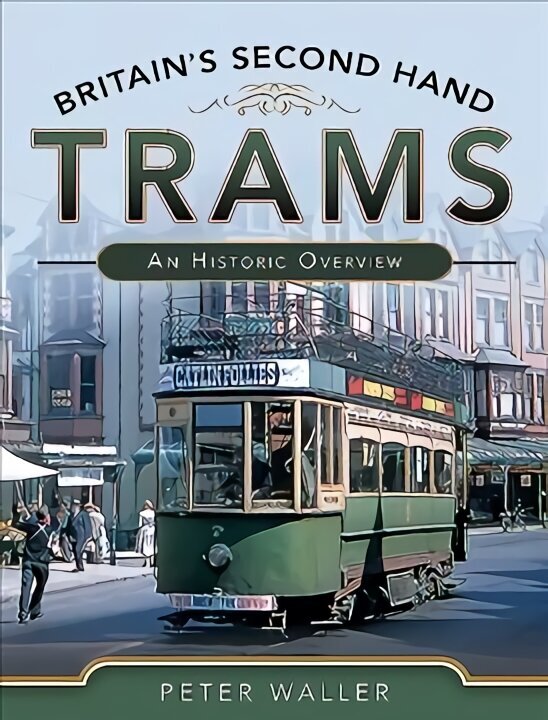

Britain's Second Hand Trams: An Historic Overview
| Autors: | Peter Waller |
| Lapaspušu skaits: | 184 |
| Izdošanas gads: | 2021 |
| Preces ID: | 19437382 |
Parastā cena
4599 €Uzmanību! Piegādes nosacījumi ir provizoriski, jo noteikumi tiek atjaunināti atkarībā no faktiskā pasūtījuma veikšanas laika un apmaksas. Galīgais piegādes termiņš tiek norādīts, kad 220.lv apstiprina pasūtījumu.
Uzmanību! Piegādes nosacījumi ir provizoriski, jo noteikumi tiek atjaunināti atkarībā no faktiskā pasūtījuma veikšanas laika un apmaksas. Galīgais piegādes termiņš tiek norādīts, kad 220.lv apstiprina pasūtījumu.

- 85% pircēju ieteiktu šo pārdevēju.

Preces apraksts: Britain's Second Hand Trams: An Historic Overview
Kopīgā informācija par: Britain's Second Hand Trams: An Historic Overview
| Preces ID: | 19437382 |
| Kategorija: | Ceļojumu apraksti, ceļveži |
| Preču iepakojumu skaits: | 1 gab. |
| Iepakojuma izmēri un svars (1): | 0,03 x 0,22 x 0,28 m, 0,3 kg |
| Izdevniecība: | Pen & Sword Books Ltd |
| Izdošanas valoda: | Angļu |
| Grāmatas vāku tips: | Nav norādīts |
| Formāts: | Tradicionālā grāmata |
| Valsts: | Nav norādīts |
| Tips: | Nav norādīts |
| Grāmatas fragments: | Nē |
| Autors: | Peter Waller |
| Lapaspušu skaits: | 184 |
| Izdošanas gads: | 2021 |
Produktu attēliem ir ilustratīva nozīme un tie ir kā piemēri. Produkta aprakstā esošie video ir paredzēti tikai informatīviem nolūkiem, tāpēc tajos iekļautā informācija var atšķirties no paša produkta. Krāsas, piezīmes, parametri, izmēri, izmēri, funkcijas, un/vai jebkuras citas oriģinālo izstrādājumu īpašības var atšķirties no to faktiskā izskata, tāpēc, lūdzu, skatiet produkta specifikācijās norādīto produkta aprakstu.